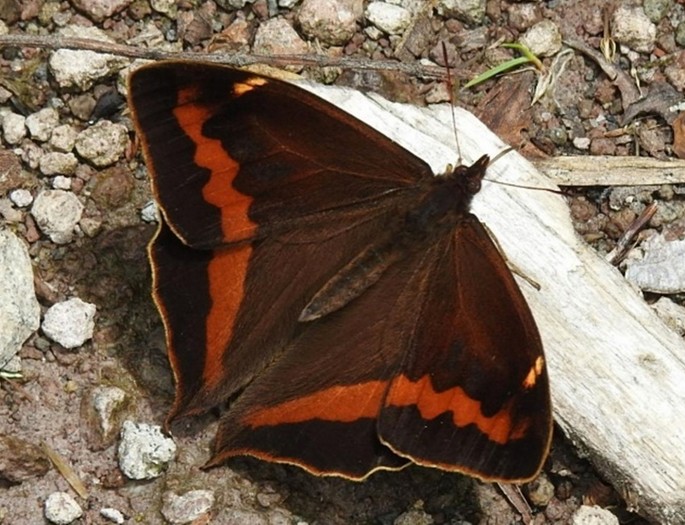
An international research team featuring Dr hab. Tomasz Pyrcz, Prof. UJ from the JU Faculty of Biology as well as Dr Rafał Garlacz and Dr Kamila Zając-Garlacz from the JU Nature Education Centre has made yet another exciting discovery. The journal Zootaxa has published their paper on the discovery of a new species of butterfly: Corades yanacocha Pyrcz, Boyer and Petit, 2024. It belongs to a relatively well-known group of butterflies typical of Andean forests.
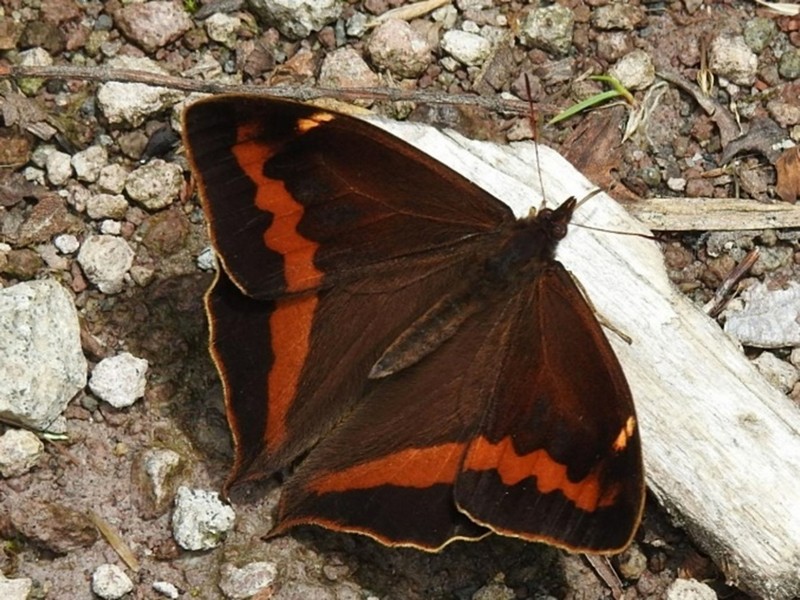
Although reports of newly discovered species in South America are not rare by any means, this case is particularly interesting. For a start, the researchers found the first trace of the butterfly on the iNaturalist social network, an Internet platform where nature enthusiasts and scientists from around the world can exchange information and pictures of plants and animals. One of those pictures, showing an unidentified butterfly with a distinctive wing colour pattern, caught the attention of the research team.
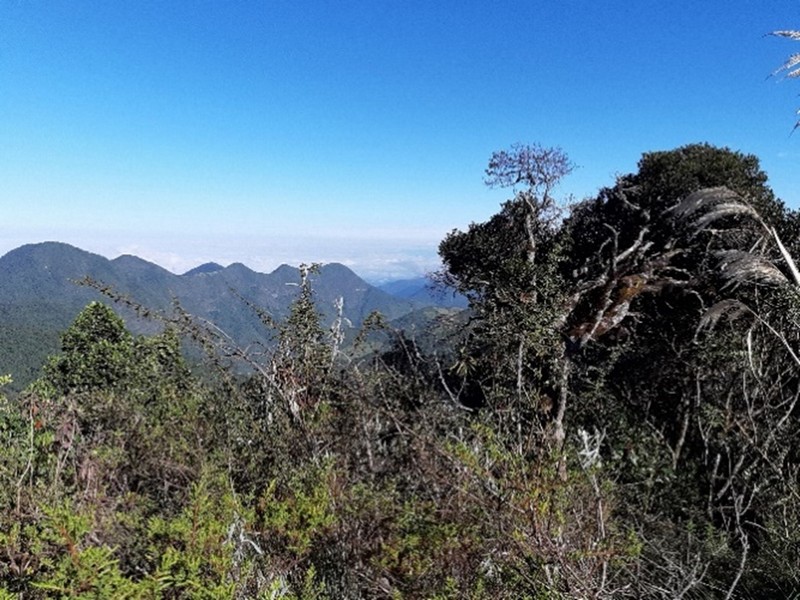
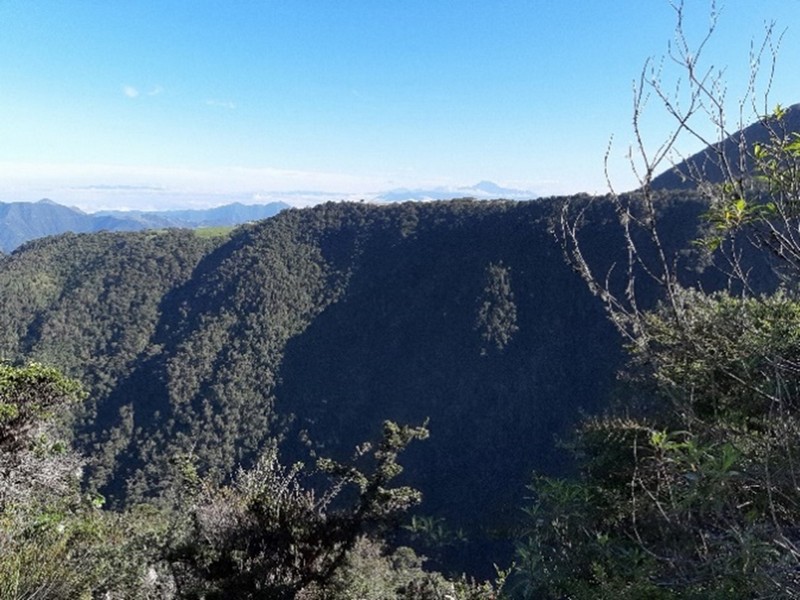
What’s even more surprising, the discovery was made in the suburbs of the Ecuadorian capital of Quito, a big city with a population of about three million. Of all South American countries, the fauna and flora of Ecuador is widely considered as the most well-documented, especially when it comes to butterflies, which have been studied there since the 1850s. It is therefore quite difficult to understand how such a large and brightly-coloured butterfly could escape the attention of observers. It may very well be related to its natural environment, as it is endemic to a particular ecotone: a narrow strip of foliage on the upper range of the forest growing on the cone of an active volcano Pichincha. Carrying out research in this area is difficult due to unfavourable weather conditions and high altitude.
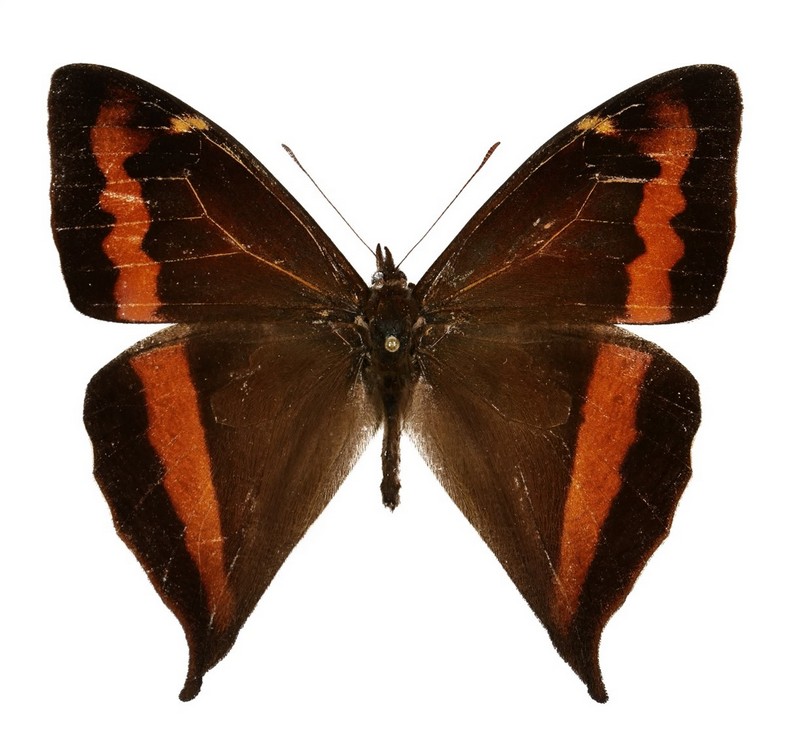
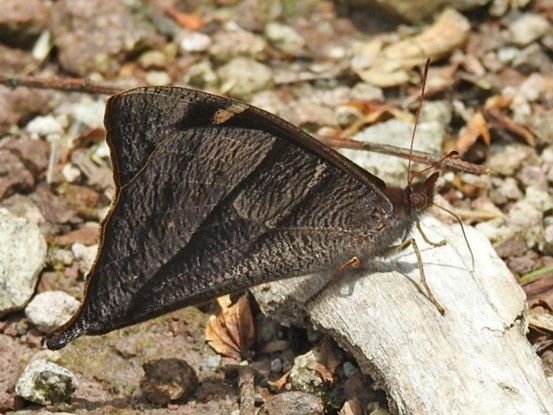
Corades yanacocha is a large butterfly with a wingspan of 7 cm (2.75 inches). Its wings are brown with brick red stripes that are not found in any other member of its genus, which contains about 25 species. The underwings are covered by a mottled, camouflaging pattern with a bit of orange on the forewings. Currently, only six male specimens are kept as part of collections worldwide, including one at the JU Nature Education Centre. So far, there have been no sightings of a female. Corades yanacocha is found in the Yanacocha nature reserve, originally established to protect an endangered species of hummingbird. The protection of part of a primeval forest prevented companies from establishing industrial plantations of alien plant species (pine and eucalyptus) and overexploiting the environment, which saved the butterfly from extinction.
It is worth to note that the discovery is a result of a long-standing collaboration between researchers from the Jagiellonian University, Florida Museum of Natural History, Museum Koenig Bonn as well as French lepidopterologists, aimed at learning more about the most biologically diverse area in the world, the Tropical Andes, in order to raise public awareness of the need for protecting the natural environment and preserving its biodiversity.
The full paper on the newly discovered butterfly is available on the Zootaxa website.